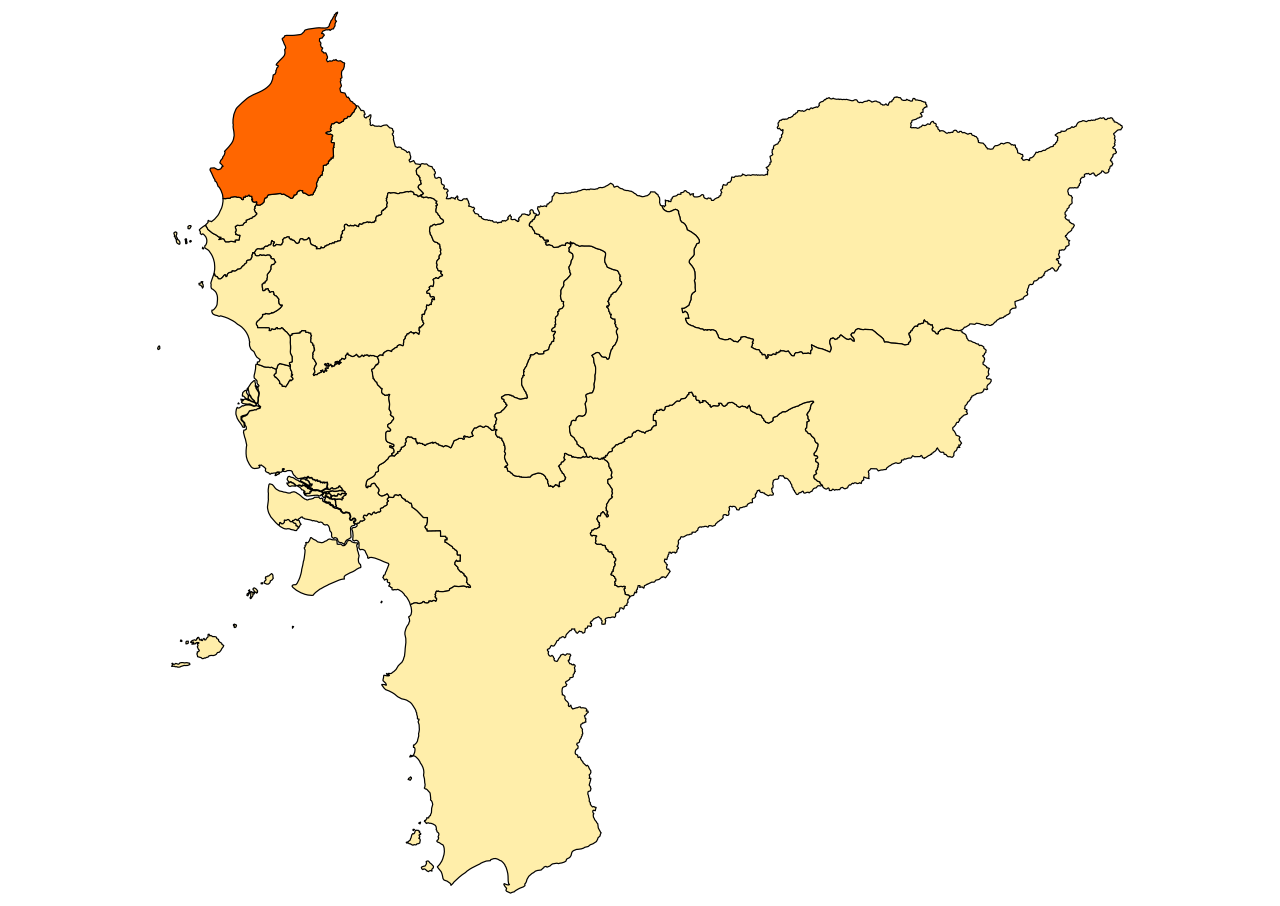
The History Behind the Sambas Riots in Kalimantan
Few events in modern Indonesian history carry as much weight and sorrow as the Sambas Riots of 1999. Nestled in the western corner of Borneo, the Sambas region became the epicenter of one of the most devastating episodes of communal violence the country had ever witnessed. To truly understand what happened, we need to look beyond the surface-level accounts and dig into the deep roots of ethnic tension that had been quietly building for decades. This is not simply a story about one violent eruption — it is a story about displacement, identity, economic frustration, and the complex legacies of state-sponsored migration policies that reshaped the human geography of Kalimantan in ways that few people fully anticipated.
The Origins of Ethnic Tension in Sambas
The story of the Sambas Riots cannot be told without first understanding the transmigration program, known in Indonesian as transmigrasi, which was aggressively promoted by the Suharto government throughout the 1970s and 1980s. Under this policy, hundreds of thousands of people — predominantly Madurese from the overcrowded island of Madura off the northeastern coast of Java — were relocated to the outer islands of Indonesia, including Kalimantan. The intention was to relieve population pressure on Java and Madura while simultaneously "developing" the perceived underpopulated regions of Borneo. What the planners failed to adequately account for, however, was how this massive demographic shift would affect the existing communities already living in these lands.
The indigenous Dayak people and the Malay communities of West Kalimantan had their own deeply established social structures, land-use customs, and cultural identities long before the transmigration waves arrived. When large numbers of Madurese settlers began occupying land and engaging in local commerce, friction was almost inevitable. The Madurese, known for their industriousness and also for their strong sense of personal honor — sometimes expressed through a tradition of carrying sharp weapons and engaging in interpersonal violence — were perceived by locals as aggressive and unwilling to integrate. Cultural misunderstandings, disputes over land ownership, and competition for economic resources all contributed to a simmering undercurrent of resentment that persisted for years without any meaningful resolution from the authorities.
What made the situation particularly combustible was the political environment of the late 1990s. Indonesia was in the midst of a catastrophic economic crisis following the 1997 Asian financial meltdown, and the social contract that had held the country together under Suharto’s authoritarian rule was rapidly disintegrating. The fall of Suharto in May 1998 opened a floodgate of political and ethnic grievances that had been suppressed for over three decades. In this atmosphere of uncertainty and economic desperation, pre-existing tensions between ethnic groups became far more dangerous. In Sambas, a region where Dayak, Malay, and Madurese communities had been living in uneasy proximity, the conditions for large-scale violence were already firmly in place long before the first spark was struck.
How the 1999 Riots Changed Kalimantan Forever
The immediate trigger for the 1999 riots is generally traced to a series of violent altercations between Madurese individuals and members of the local Malay community in early 1999. What began as localized incidents quickly spiraled into widespread communal violence of shocking intensity. Malay and Dayak communities, who had long harbored grievances against the Madurese, joined forces in a campaign of ethnic cleansing that drove virtually the entire Madurese population out of Sambas District. Estimates suggest that somewhere between 100,000 and 200,000 Madurese were displaced from their homes in West Kalimantan, many of them fleeing with nothing but the clothes on their backs. The violence was brutal and indiscriminate, with entire villages burned to the ground and a significant loss of life on all sides.
The aftermath of the riots fundamentally altered the demographic and political landscape of West Kalimantan. The mass exodus of the Madurese community created refugee crises in coastal areas and in the provincial capital of Pontianak, where displaced families crowded into makeshift camps for years. The Indonesian government’s response was widely criticized as slow and inadequate, reflecting a broader failure of the state to manage the consequences of its own transmigration policies. For those who remained in Sambas, the violence left deep psychological scars and created a new social reality — one in which the Madurese, who had been a significant presence in the region for decades, were now almost entirely absent. The ethnic map of the region had been redrawn through violence, and that reality persisted long after the physical fighting had stopped.
Perhaps the most lasting legacy of the Sambas Riots is the way they forced Indonesia to confront uncomfortable truths about its nation-building project. The violence exposed the dangers of poorly managed migration policies, the risks of ethnic marginalization, and the fragility of social cohesion in a country as diverse as Indonesia. In subsequent years, the government began to scale back and eventually restructure the transmigration program, acknowledging — at least implicitly — that the old approach had caused serious harm. The riots also gave renewed urgency to discussions about regional autonomy, land rights, and the recognition of indigenous cultural identities in Kalimantan and beyond. While reconciliation efforts have been made over the years, the wounds from 1999 have never fully healed, and the Sambas Riots remain a cautionary tale about what can happen when ethnic tensions are left unaddressed for too long.
The Sambas Riots of 1999 stand as one of the darkest chapters in Kalimantan’s modern history — a tragedy born not from sudden hatred but from decades of accumulated grievances, misguided policies, and institutional neglect. Understanding the history behind these events is not just an academic exercise; it is a necessary act of reckoning for a society that continues to grapple with questions of ethnic coexistence, indigenous rights, and social justice. Kalimantan today is a region of enormous strategic importance, sitting at the heart of Indonesia’s development ambitions and even hosting the country’s new capital city, Nusantara. As this ancient island enters a new era of transformation, the lessons of Sambas serve as a powerful reminder that development without social equity, and migration without cultural sensitivity, can carry consequences that echo for generations.